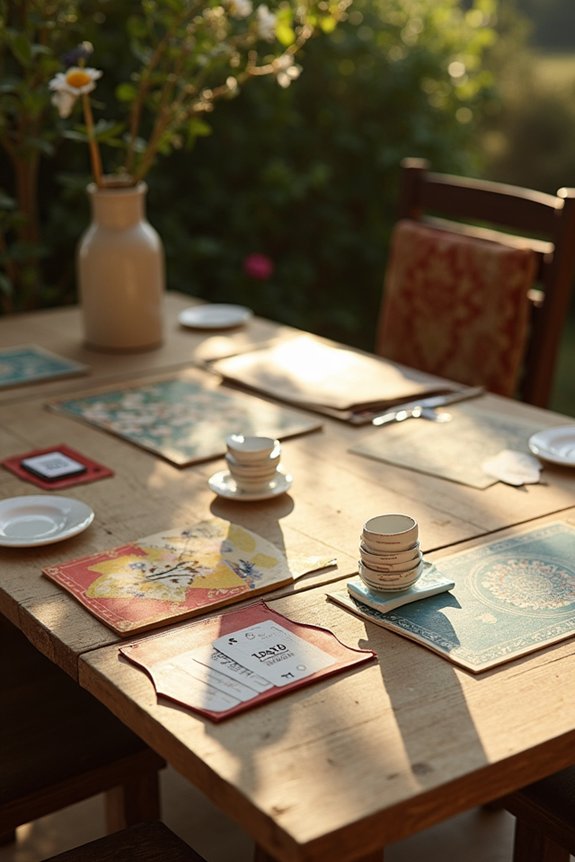
We love gathering around popular Tuscan games that connect us through fun and tradition. Board games like Ludus Latrunculorum challenge us with strategy, while lively card games such as Scopa keep everyone engaged with easy-to-learn rules and fast-paced play. Outdoors, bocce and palla bring neighbors together for friendly competition. These games spark laughter, teamwork, and lasting bonds. Keep exploring, and you’ll discover even more about their rich history and how to play.
Quick Tips
- Scopa is Tuscany’s favorite card game, known for its simple, fast-paced play combining luck and strategy.
- Bocce is a popular outdoor game fostering friendly competition and community connections in Tuscan villages.
- Ludus Latrunculorum is an ancient Tuscan board game emphasizing strategy like chess.
- Traditional games like palla (handball) and tiro alla fune (tug-of-war) are widely played at village gatherings.
- Tavola Reale blends dice-based luck and tactics, enjoyed in social game nights across Tuscany.
Historical Origins of Tuscany’s Traditional Games
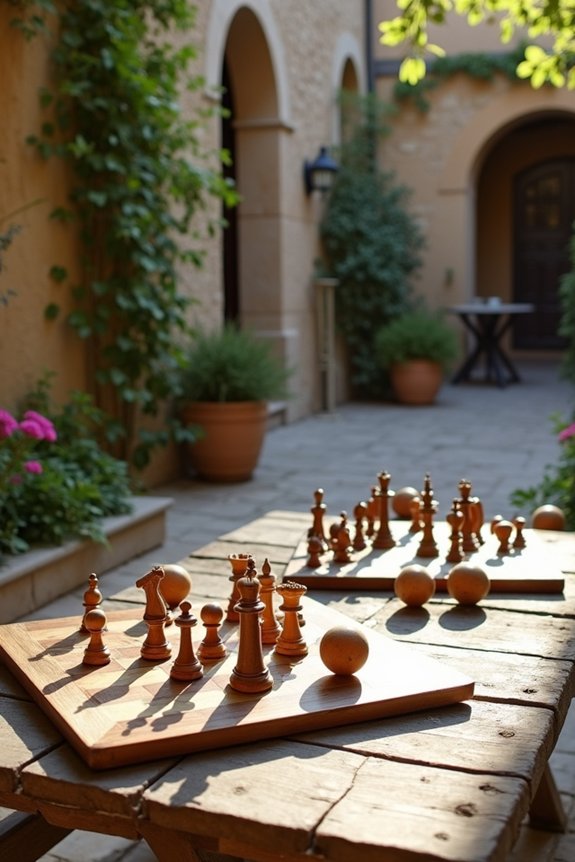
Though these games may seem like simple pastimes today, they hold deep roots in Tuscany’s rich history. Many of these traditional games were born from community gatherings in village squares or during festive celebrations, where families and neighbors came together for fun and connection.
They often reflected daily life or strategic thinking needed in farming and trade, passed down through generations. Understanding their origins helps us appreciate how these games shaped social bonds and kept local culture alive. Similar to how party decorations enhance modern celebrations, these traditional gatherings were often marked by festive atmospheres that brought communities together in meaningful ways.
Famous Tuscan Board Games You’ll Love
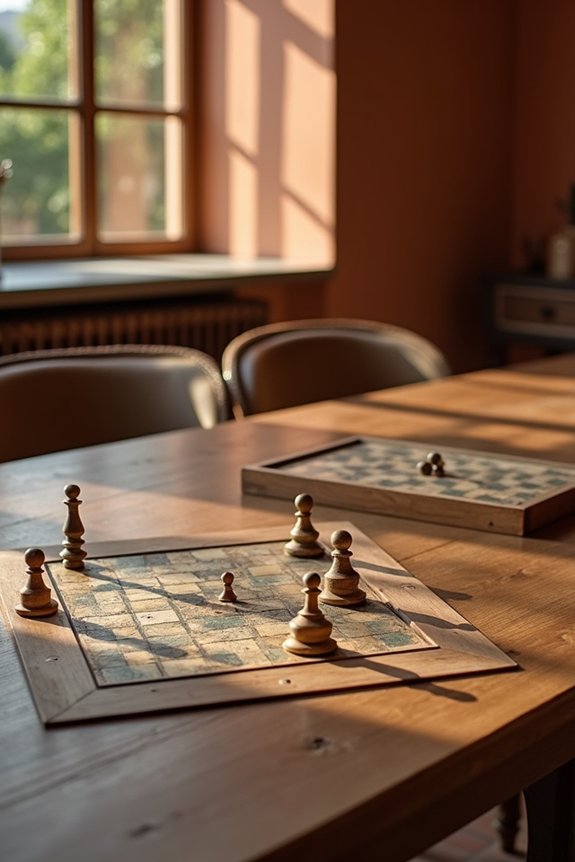
Board games have long been a central part of Tuscan social life, offering fun ways to connect and challenge our minds.
One beloved game is *Ludus Latrunculorum*, an ancient strategy game similar to chess, where players outwit each other on a checkered board.
Then there’s *Ruzzola*, a unique game combining skill and precision, often played outdoors but with board versions that test accuracy.
*Tavola Reale* brings a mix of luck and tactics, involving dice and movement to capture opponents’ pieces.
These games aren’t just pastimes; they’re vibrant threads weaving joy and friendly competition into Tuscan culture. You can enhance your game nights with clean girl aesthetic decor that brings elegance and style to your gathering space.
How Tuscan Card Games Bring Families Together
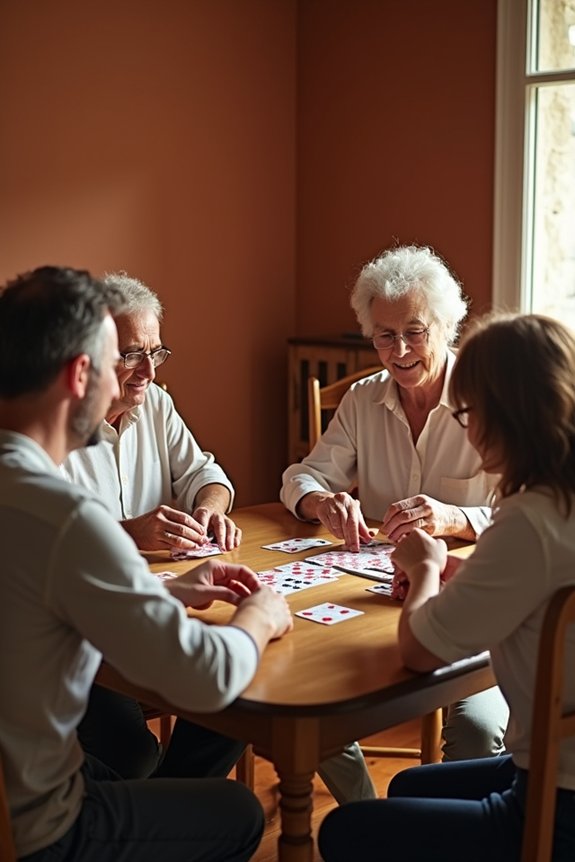
When families gather around the table in Tuscany, card games often become the heart of their time together, sparking laughter and lively conversations.
These games bridge generations, letting grandparents share traditions while kids learn new skills. Playing cards invites everyone to focus on each other, creating moments of genuine connection.
The simple deck encourages storytelling, teasing, and teamwork, making every round feel special and inclusive. Through these shared experiences, families strengthen bonds that last beyond the game.
In Tuscany, card games aren’t just entertainment—they’re a warm, welcoming way to build lasting memories together. Pairing these gatherings with Italian party decorations creates an authentic atmosphere that enhances the festive spirit of family celebrations.
Why Scopa Is Tuscany’s Favorite Card Game
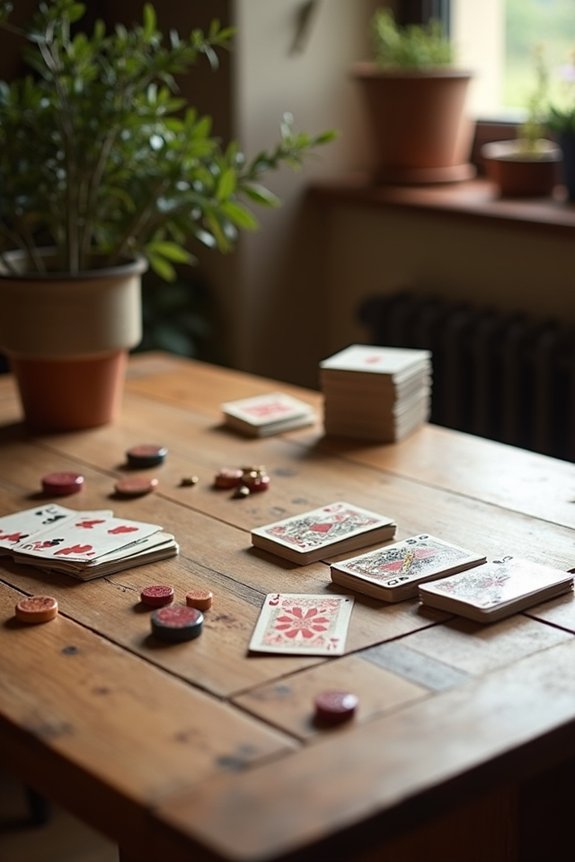
Many families and friends across Tuscany enthusiastically gather around the table to play Scopa, a card game loved for its simplicity and excitement. We enjoy how easy it’s to learn, making it perfect for all ages to join in.
The goal is to sweep cards from the table, so every move keeps everyone on their toes. Its fast pace and strategic choices keep players engaged and excited for the next round.
Scopa’s blend of luck and skill creates happy moments and lively conversations, strengthening bonds while celebrating this timeless Tuscan tradition we hold dear. Similar to how portable outdoor projectors bring families together for shared entertainment experiences, Scopa has long served as a cherished gathering activity that creates memorable moments across generations.
Classic Traditional Dice Games in Tuscany
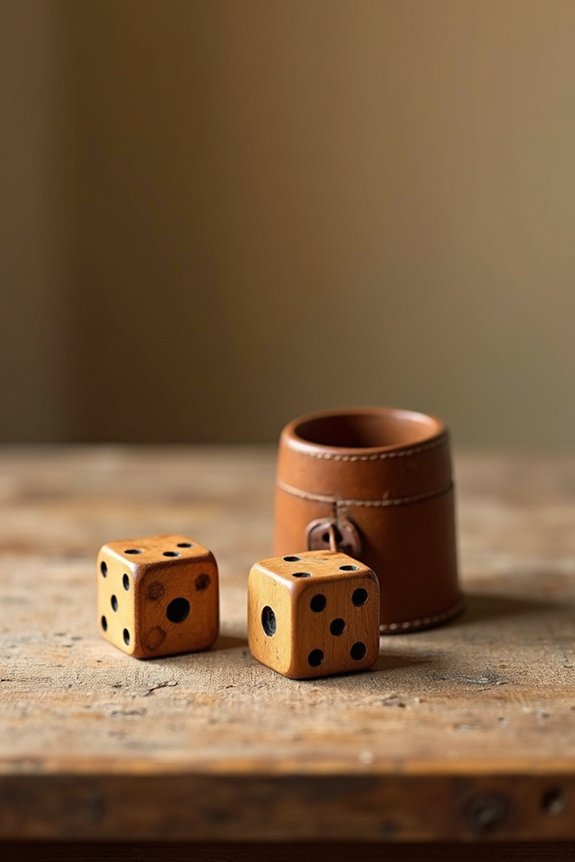
Countless dice games have been enjoyed throughout Tuscany’s history, offering simple yet thrilling ways to bring people together.
Traditional games like “Il Gioco delle Bocce” with dice, or “Dadi” itself, feature straightforward rules but deep strategies, making them accessible and exciting. Players roll dice to achieve specific number combinations or scores, often wagering bragging rights rather than money.
These games encourage quick thinking and friendly competition, perfect for family gatherings or casual social moments. The shared laughter and suspense created by dice rolling bring warmth and connection, preserving a cherished part of Tuscan culture that invites everyone to join in. Consider enhancing your game nights with champagne party decorations to create an elegant atmosphere for your traditional gaming gatherings.
The Role of Bocce in Tuscan Games and Social Life
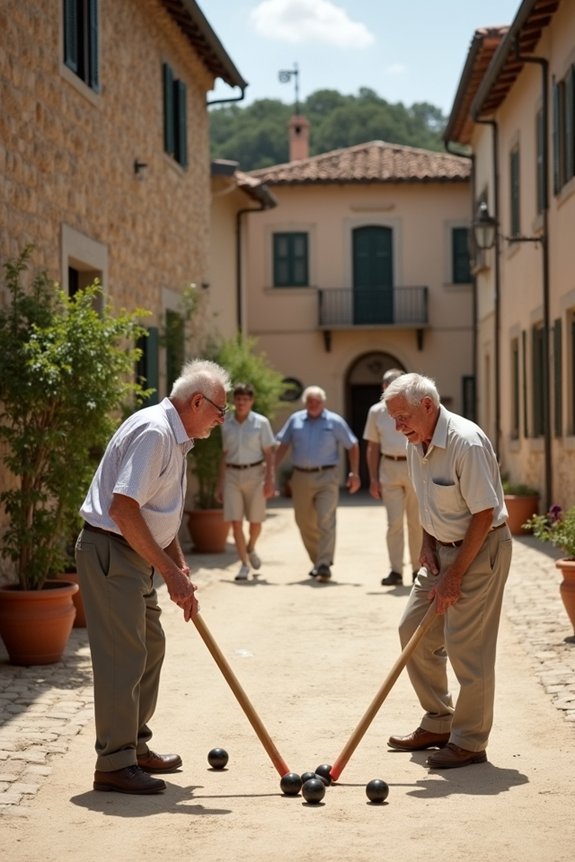
Although bocce is often seen as a simple lawn game, it holds a deeply important place in Tuscan social life and culture.
We find that bocce brings people together, creating moments of connection across generations. Playing bocce isn’t just about competition; it’s about sharing stories, laughter, and friendly rivalry in village squares or local clubs.
The game’s pace allows everyone to join in, making it welcoming and inclusive. Often, bocce becomes the backdrop for celebrations and gatherings, strengthening bonds and embodying the spirit of community that defines Tuscany’s rich social traditions.
Traditional Outdoor Games in Tuscan Villages
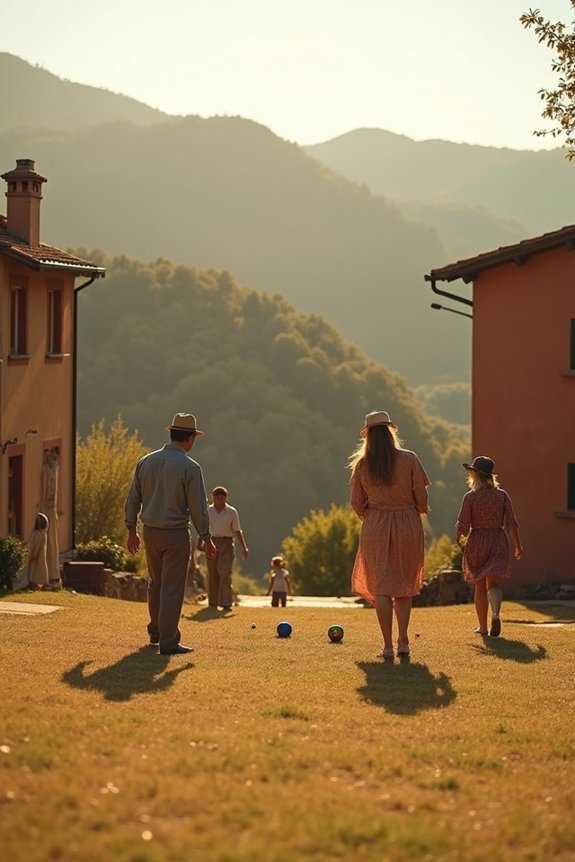
Bocce often serves as the heartbeat of Tuscan social gatherings, but our villages also buzz with other outdoor games that have been enjoyed for generations.
One favorite is palla, a handball game played on village streets, where players skillfully strike a small ball back and forth.
Another is tiro alla fune, or tug-of-war, which brings neighbors together in friendly contests of strength and teamwork.
Calcio storico, an old form of football, combines agility and strategy, thrilling onlookers.
These games connect us deeply with our roots, encouraging laughter, teamwork, and a joyful appreciation of community life under the Tuscan sun.
Tuscan Festivals Celebrating Traditional Games
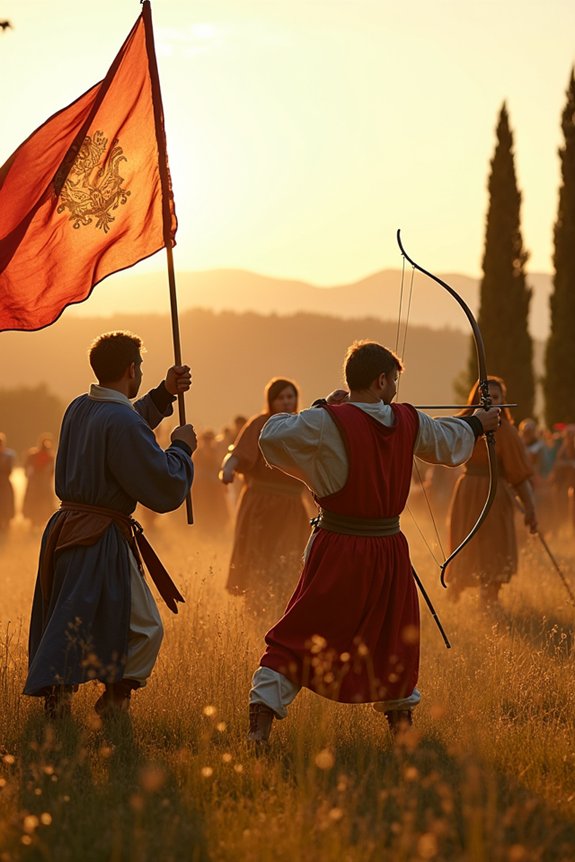
When spring arrives in Tuscany, the air fills with excitement as villages prepare for their traditional games festivals, where our shared heritage comes alive through spirited competitions and joyful celebrations.
These festivals bring everyone together, hosting events like calcio storico matches, bocce tournaments, and flag-throwing contests. Colorful costumes and lively music create an inviting atmosphere, encouraging participation and connection among locals and visitors alike.
Celebrations often include food stalls offering Tuscan delicacies, making the experience even richer.
These festivals don’t just entertain—they preserve our cultural roots, showcasing how games have united communities for centuries with warmth and pride.
Where to Play Authentic Tuscan Games Today
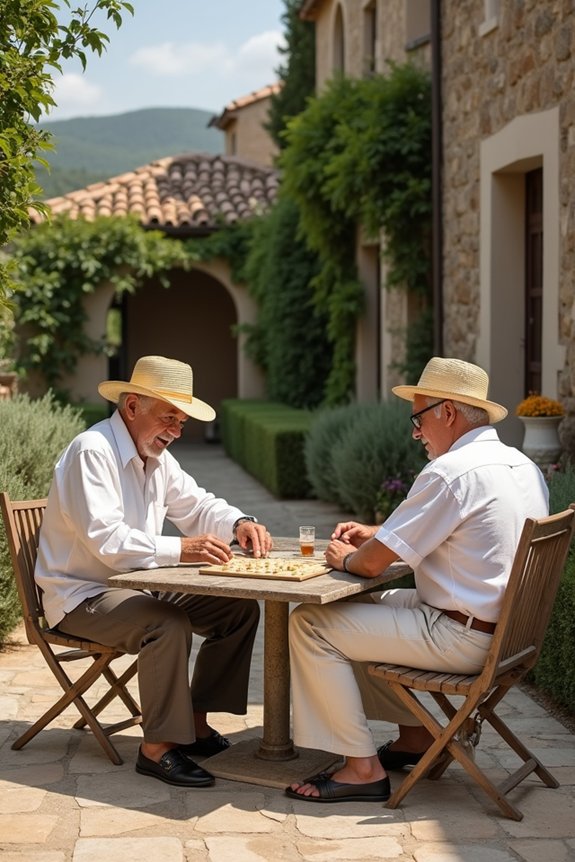
After celebrating the lively festivals that honor Tuscan games, we can find many places where these traditions are alive and ready for us to join in.
Small towns like Siena and Lucca host regular game sessions, often in public squares or community centers.
Museums dedicated to Tuscan culture sometimes organize interactive workshops, giving us a hands-on chance to play.
Local clubs and associations also welcome players, from beginners to experts, making it easy to connect with others who love these games.
Whether in museums or village gatherings, authentic Tuscan games remain a joyful and shared experience for everyone.
Tips for Trying Tuscan Games During Your Visit
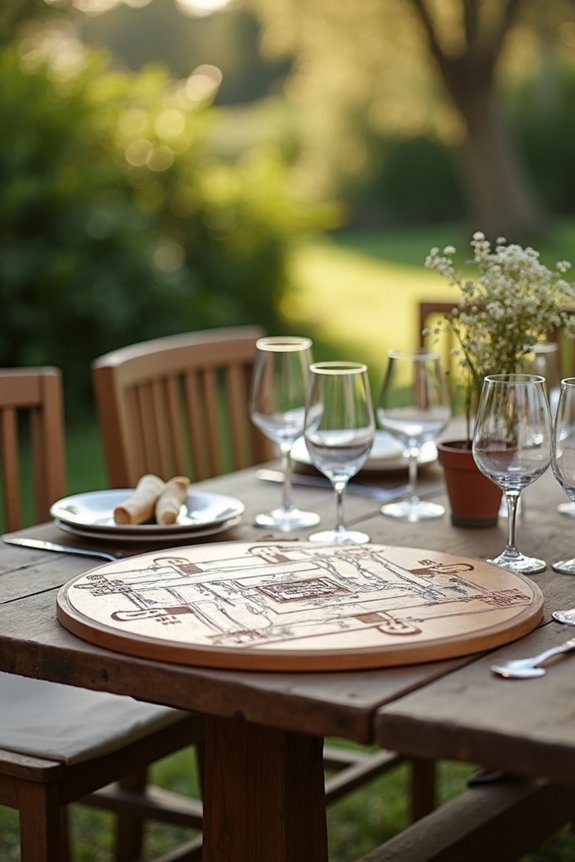
Although the idea of trying a new game can feel a bit intimidating, we can make our first Tuscan gaming experience both fun and stress-free by preparing a little beforehand.
It helps to familiarize ourselves with basic rules before playing, so we won’t feel lost or rushed. Watching locals play first offers great insight into game flow and etiquette. We should also ask questions—Tuscans generally enjoy sharing their traditions and will gladly guide us.
Most importantly, let’s embrace mistakes, laugh together, and focus on enjoying the moment. Playing with an open mind makes Tuscan games truly memorable and rewarding.
Frequently Asked Questions
What Materials Are Traditionally Used to Make Tuscan Game Pieces?
We usually find Tuscan game pieces crafted from wood, bone, or terracotta. These materials connect us to tradition, offering durability and a tactile feel that enhances our enjoyment when playing these timeless games together.
Are Tuscan Games Typically Played Year-Round or Seasonally?
We typically play Tuscan games year-round, but they become even more popular in social gatherings and festivals. We love how these games bring us together, no matter the season or weather conditions outside.
How Do Tuscan Games Influence Local Customs and Language?
We understand these games shape local customs and language like roots intertwining underground. They bring us together, preserving dialects and traditions, so when we play, we’re keeping our heritage alive and kicking with every move.
Are There Any Tuscan Games Specifically Designed for Children?
Yes, there are Tuscan games made just for kids, like “Ruzzola” with smaller hoops and simplified rules. We love how these games encourage fun, community, and tradition, making sure children stay connected to their roots.
What Are Common Prizes or Rewards in Tuscan Game Tournaments?
We often see prizes like handcrafted ceramics, local wines, or olive oil baskets awarded in Tuscan game tournaments. These rewards celebrate our culture and add a personal touch, making every victory feel truly special and memorable.